
01
For individuals & families
I’m looking for care
Understand the options, talk through daily needs, and take one calm step at a time.
See how care beginsNon-medical home care · Southern California
Respectful, practical support for older adults, adults with disabilities, and families—built around the rhythms of real life.
Care that makes room for the person, their routines, and their family.
Start where you are
Whether you are making a family decision, coordinating a discharge, or looking for meaningful work, the next step should be easy to find.
For individuals & families
Understand the options, talk through daily needs, and take one calm step at a time.
See how care beginsFor care partners
Start a professional inquiry without sending protected health information through a standard form.
Make a referral inquiryFor caregivers
Learn about the care philosophy and share your interest in future opportunities.
Explore careersCare options
A Rainbow of Care, HC provides non-medical support for daily routines, memory changes, recovery, companionship, and family caregiver relief.

Calm companionship and daily-living support for people experiencing memory changes.
Learn about this care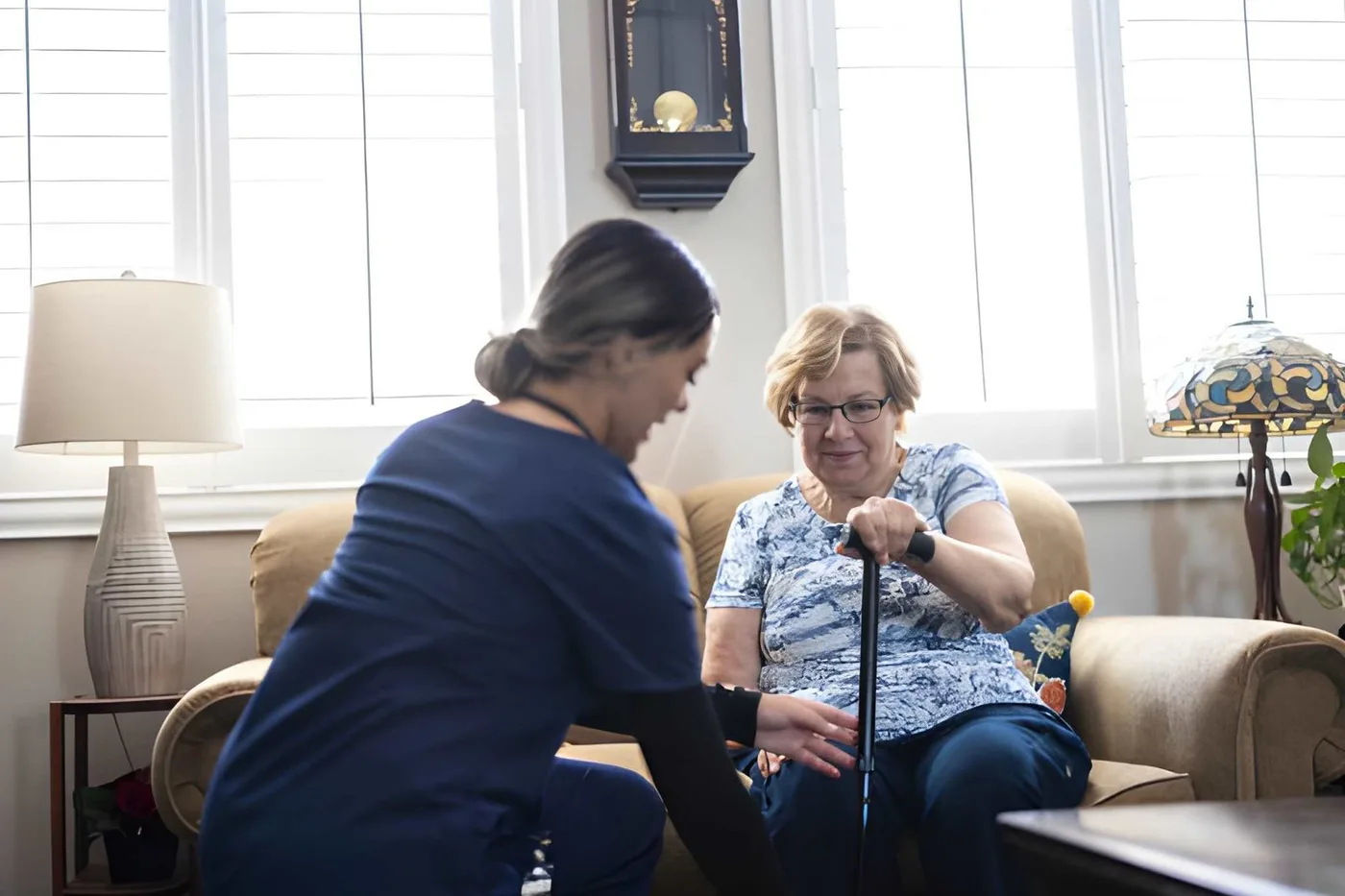
Support with personal routines, mobility, meals, and everyday life at home.
Learn about this care
Everyday assistance while returning home after surgery, illness, or injury.
Learn about this care
Non-medical routines for people living with cancer, COPD, diabetes, MS, Parkinson’s, and other conditions.
Learn about this care
Companionship, family caregiver relief, and coordinated help for couples.
Learn about this care
Non-medical comfort, companionship, and family support alongside hospice providers.
Learn about this careScope note: These are non-medical home care services. Availability and exact caregiver tasks are confirmed during the assessment.
Good care notices the details: how someone likes their morning, what makes them comfortable, and when they want a little space.
Why families choose a care partner
Trust grows from the way care is planned, communicated, and delivered—not from slogans or promises.
Routines, preferences, culture, communication, and independence shape the proposed care plan.
Clear expectations and designated family updates help everyone understand what is happening at home.
Non-medical caregivers support daily life while clinical questions remain with licensed professionals.
Needs change. The plan should be reviewed when routines, schedules, or practical priorities shift.
How care begins
This proposed five-step journey is designed to keep the process understandable and centered on the person receiving support.
Call or send a short request. A family member, the person seeking care, or a professional may start the conversation.
Share the routines, schedule, preferences, and practical concerns that matter most.
The proposed assessment reviews the home setting, requested tasks, fit, and service availability.
The agency and family align on responsibilities, timing, communication, and next steps.
After care begins, needs and preferences should be reviewed as circumstances change.
The value of care at home
Home holds routines, choices, familiar sounds, favorite chairs, and the people who matter. Appropriate support can make more room for those everyday parts of life while easing practical pressure on the family.
The aim is not to erase independence. It is to offer the right amount of help, with respect for how the person wants to live.
Read when to consider home careCare can be practical, present, and quietly reassuring.
Local care, wider reach
Caregiver availability varies by city, schedule, and requested support. The office can confirm whether service is currently available in your community.
Check the full service areaQuestions, answered plainly
If your question is personal to your situation, call the office. A short conversation is often the clearest way forward.
The person seeking care, a family member, an authorized representative, or a professional referral partner may start with a general inquiry. Please do not send diagnoses, records, or other protected health information through the website.
The proposed process covers daily routines, requested tasks, schedule, home setting, preferences, and caregiver fit. Exact assessment procedures and timing must be confirmed by the agency.
Start dates depend on the person’s needs, location, schedule, and caregiver availability. The office can provide the most accurate answer after an initial conversation.
No. The agency’s current stated scope is non-medical home care. Caregivers help with daily routines and companionship but do not replace licensed medical professionals.
The legacy website lists office availability daily from 8:00 a.m. to 8:00 p.m., but caregiver scheduling options have not been verified. Contact the office with the times you need.
Ready when you are
Tell us what daily life looks like now, what has changed, and the kind of help you are considering. You do not need to have every answer.