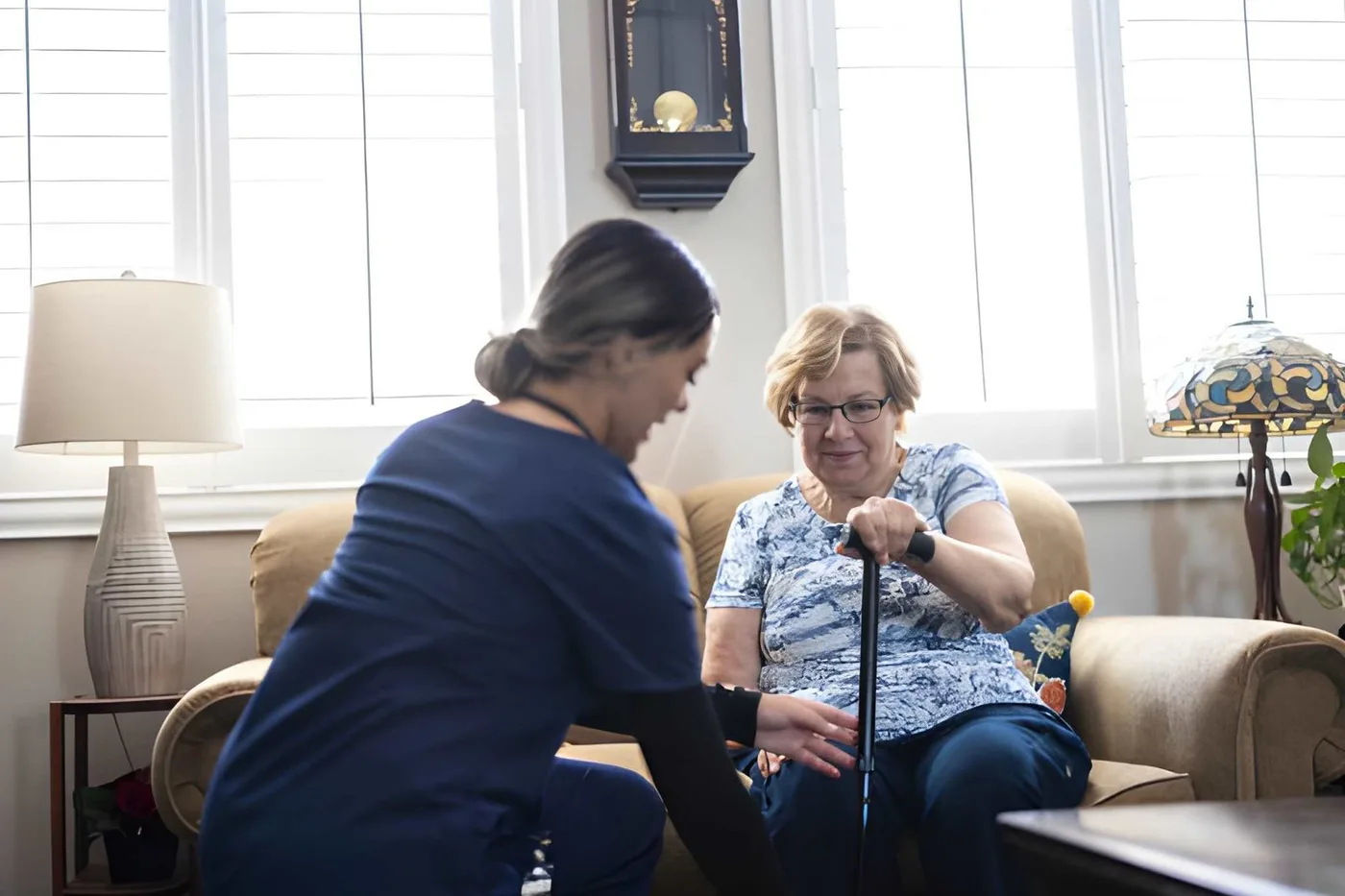
Personal care
Support with personal routines, mobility, meals, and everyday life at home.
Learn about this careFamiliar routines. Patient support.
Consistent, non-medical support designed around familiar routines, respectful communication, and the person—not only a diagnosis.
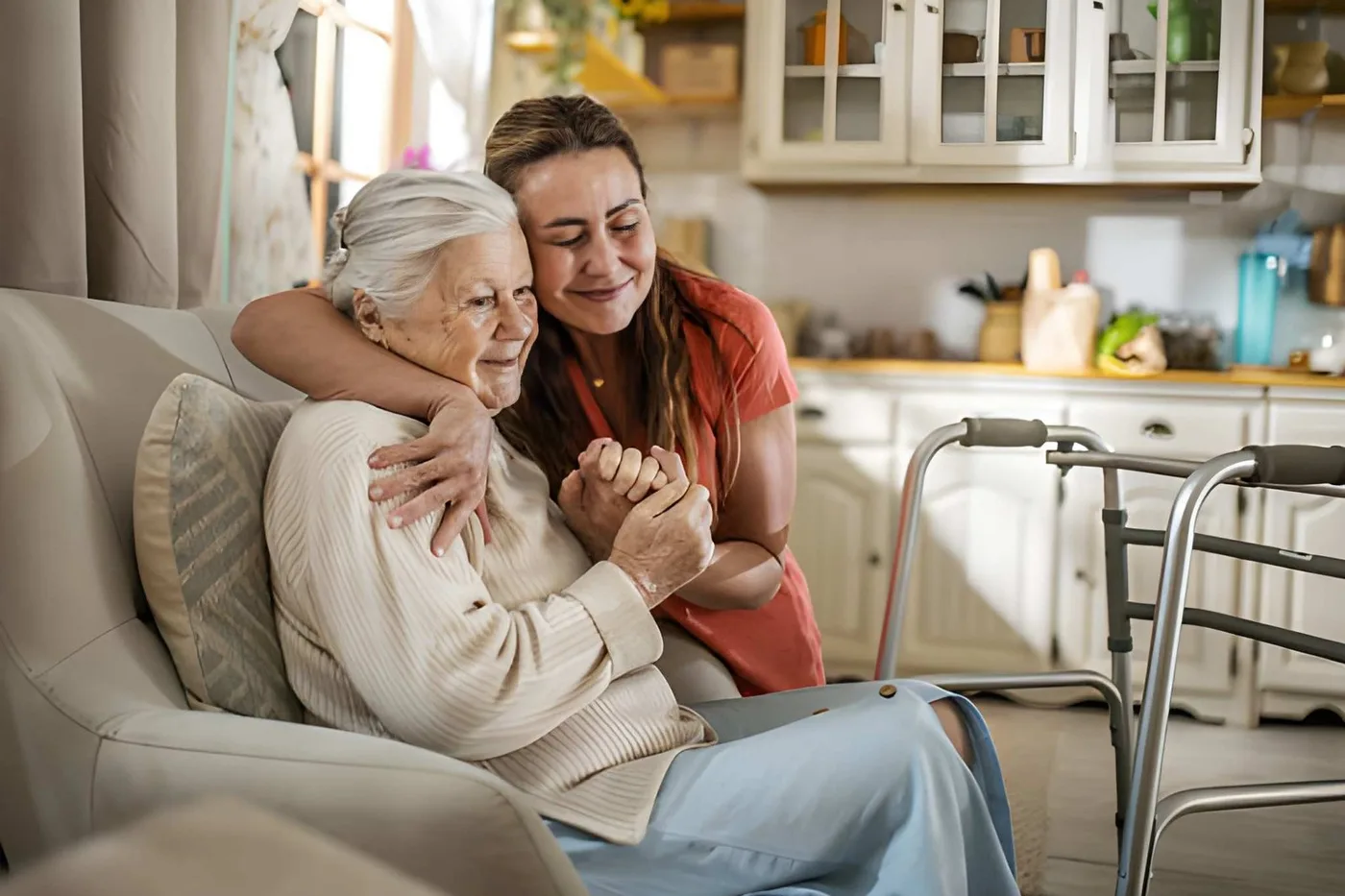
Who this may help
Examples of support
Exact tasks depend on the assessment, caregiver role, safety, schedule, and agency policy.
What to expect
A conversation about routines, preferences, communication, and safety
A proposed plan that reflects the individual’s habits and family priorities
Ongoing check-ins so support can be adjusted as needs change
Common questions
No. This is non-medical home care. Caregivers support daily routines and companionship but do not diagnose, treat, or replace licensed clinicians.
That is the proposed approach. The initial conversation is used to understand routines, preferences, communication, and practical needs before care begins.
Support with personal routines, mobility, meals, and everyday life at home.
Learn about this care
Companionship, family caregiver relief, and coordinated help for couples.
Learn about this careSee whether this support fits
Share the general type of help, preferred schedule, and location. Please keep medical records and sensitive health information out of the website form.